All Categories
Featured
Table of Contents
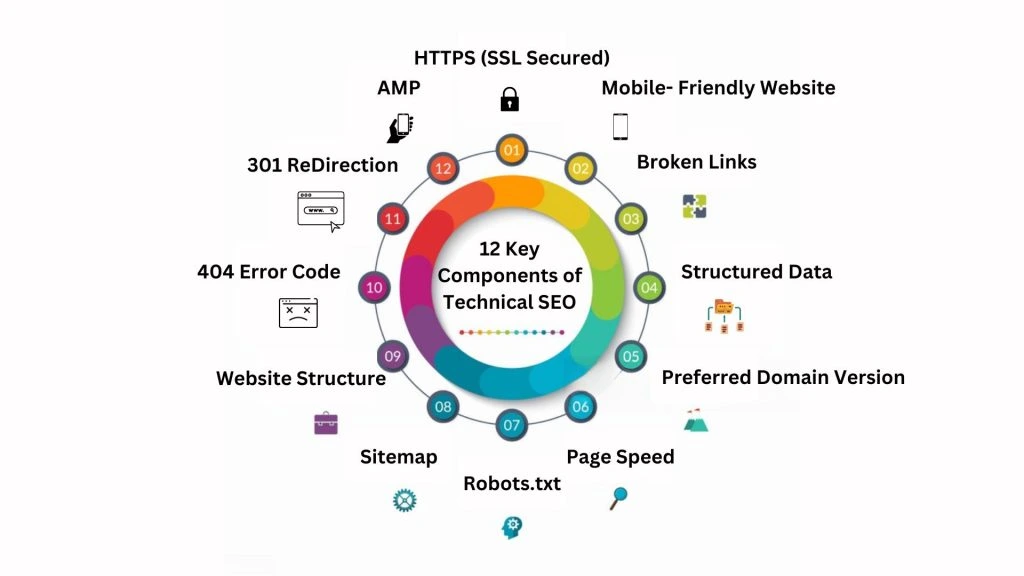
Search engines in 2026 no longer function as simple indexers of text. They operate as reasoning engines that interpret the intent behind a user's query and the technical health of the site providing the answer. For developers and marketers working with JavaScript-heavy stacks, the struggle between rich user interfaces and crawlability has reached a head. Modern architectures built on React, Vue, or Svelte often hide content behind complex client-side execution, making it difficult for bots to see the full picture without significant processing power. Achieving visibility requires a shift from basic metadata toward a focus on execution efficiency and content accessibility.
Search bots now prioritize sites that present a fully rendered view of the page upon the initial request. While Googlebot has improved its ability to execute scripts, the time-to-index for client-side applications still lags behind server-rendered counterparts. In the fast-moving environment of San Diego, businesses that rely on delayed rendering find their content appearing in search results days after it goes live. This lag often determines who captures the initial wave of traffic for trending topics or news. Successful technical strategies now favor hybrid approaches that pre-render static content while keeping interactive elements dynamic.
Managing State and Metadata in San Diego
The complexity of managing application state often leads to SEO oversights. When a page changes its content without a refresh, the URL must update, and the corresponding metadata must follow suit. Many modern stacks fail to update the document head properly during client-side transitions. This leads to search engines seeing the same title and description for every page in a single-page application. Ensuring that each view has unique, descriptive tags is a baseline requirement for standing out in search results. Companies focusing on Auto Dealer Visibility have found that correcting these state-related errors leads to immediate improvements in click-through rates.
Search engines have also grown more sensitive to the layout shifts that happen when a page hydrates. In 2026, user experience metrics focus heavily on stability. If a script finishes loading and suddenly pushes a block of text down the page, search engines penalize that URL for a poor experience. Developers must account for these shifts by reserving space for dynamic content. This attention to detail ensures that the technical foundation supports the visibility of the content rather than hindering it. When technical debt accumulates in the rendering layer, even the highest quality writing struggles to find an audience.
Entity-Based Search and Content Engines
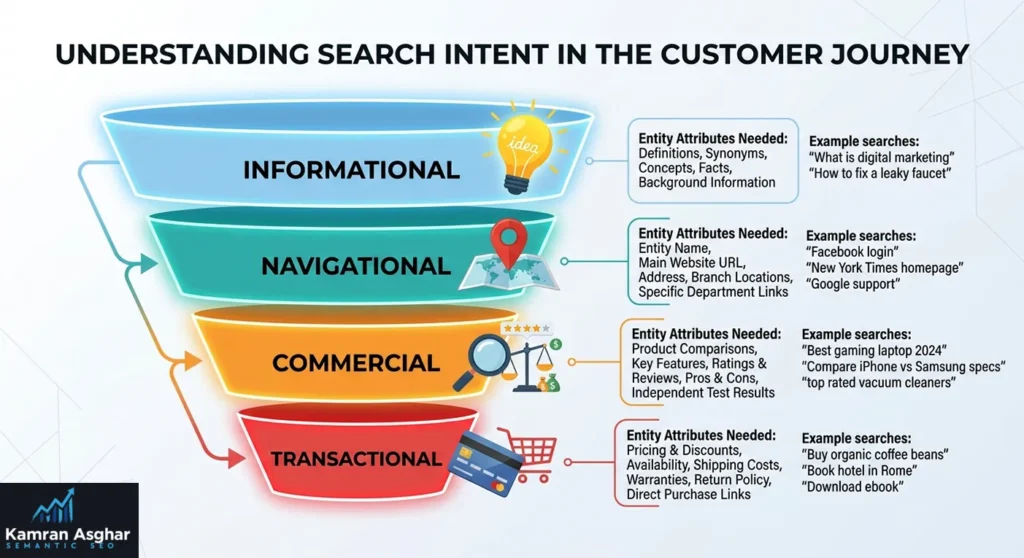
The rise of semantic search has changed how information is categorized. It is no longer enough to mention a keyword several times. Engines now look for entities and the relationships between them. A site discussing Automotive Seo must establish its authority by connecting concepts in a way that AI models can interpret as expert knowledge. This is where high-authority content engines come into play. These systems generate large volumes of interconnected data that help search engines map out the site's area of expertise. By using structured data like JSON-LD, developers can explicitly tell search engines what a page represents, whether it is a product, a person, or a specific service.
Organic Auto Dealer Visibility helps bridge the gap between technical execution and brand authority. By creating a web of related topics, a site builds a "knowledge graph" that search engines trust. This trust is the primary currency of 2026. If a bot can verify the information across multiple reputable sources and see that the site is organized logically, it is more likely to rank that content for competitive queries. The goal is to move away from isolated blog posts and toward a cohesive information architecture that serves both humans and machines.
Performance Metrics Beyond the Page Load
Speed remains a factor, but the definition has shifted. Interaction to Next Paint (INP) is now the primary metric for measuring how responsive a site feels. For sites in San Diego, a laggy interface can be more damaging than a slow initial load. If a user clicks a menu and nothing happens for 300 milliseconds, the engine perceives this as a failure in quality. Modern stacks often struggle with this due to "main thread" contention, where the browser is too busy processing JavaScript to respond to user input. Minimizing script size and deferring non-essential code are standard practices for anyone serious about technical SEO.
Server-side rendering (SSR) and Static Site Generation (SSG) have become the default choices for sites that need to rank well. By moving the heavy lifting of page construction to the server, the browser receives a finished HTML document that is ready to be indexed immediately. This also improves the experience for users on low-powered mobile devices or slower connections. The technical choice of how to deliver the code directly impacts the bottom line by determining the reach of the content. Many firms searching for Visibility for Automotive Sales are prioritizing these server-heavy strategies to ensure their message is heard.
Scaling Authority with Programmatic Systems
Scaling a digital presence in 2026 requires more than just manual updates. Programmatic content systems allow for the creation of thousands of high-quality, data-driven pages that target specific long-tail queries. This approach works best when the underlying data is unique and provides actual value to the user. Simply generating text is not enough. The systems must use real-time data, user reviews, or localized information to create a helpful resource. When implemented correctly, these engines can dominate search results for niche topics, providing a massive influx of qualified traffic.
Maintaining this scale requires a strict adherence to technical standards. Broken links, duplicate content, and slow-loading pages become magnified when dealing with thousands of URLs. Automated testing and monitoring have become essential parts of the SEO workflow. If a change in the codebase breaks the metadata on 10,000 pages, the recovery can take months. Successful sites use automated crawlers to catch these issues before they are deployed to production, ensuring that the search engine's view of the site remains consistent and professional.
The Future of Discovery in San Diego
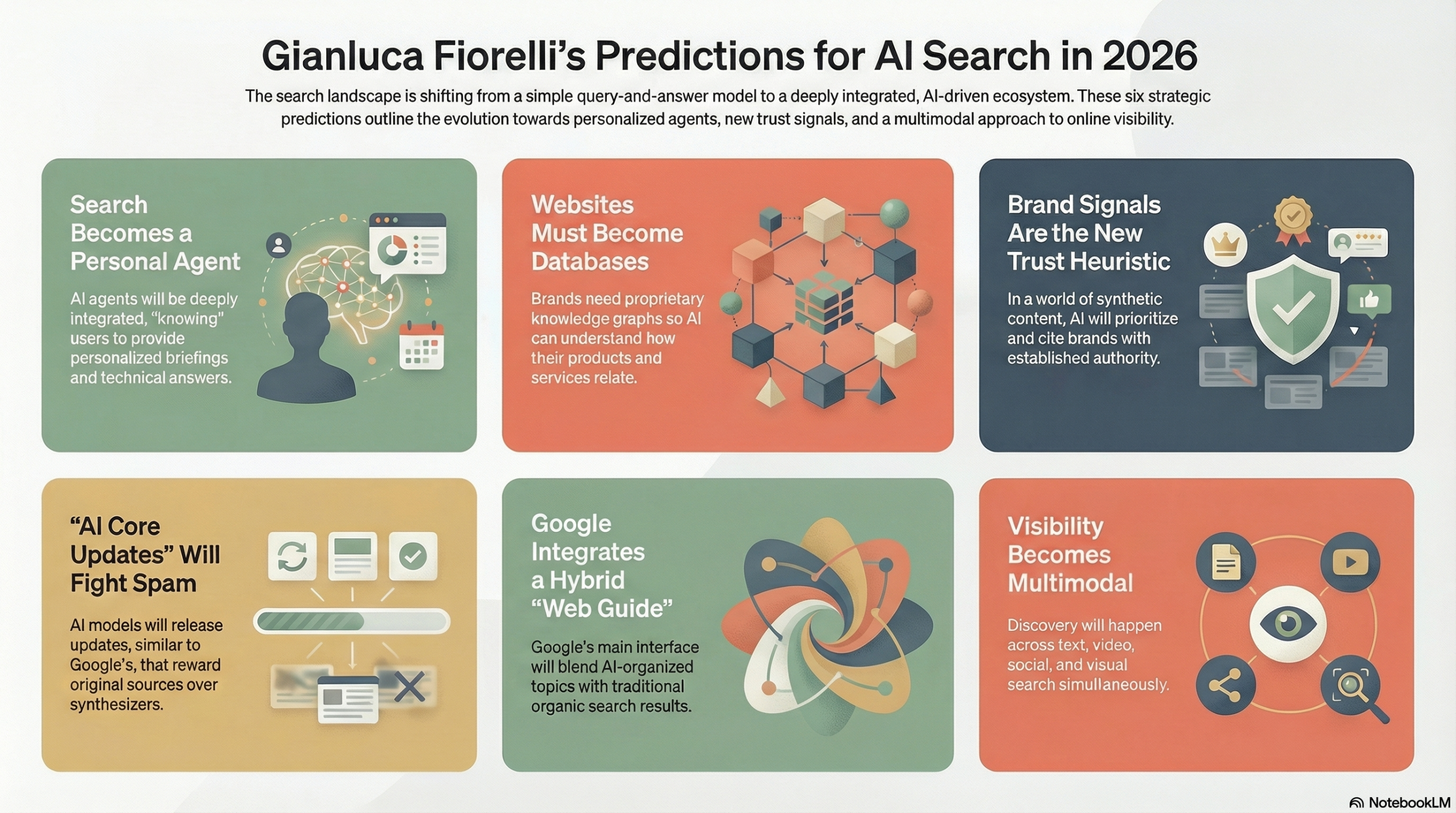
As we look further into 2026, the lines between traditional search and AI assistance will continue to blur. People are increasingly asking questions to voice assistants and chatbots rather than typing keywords into a box. These assistants pull their answers from the same index that search engines use, but they favor sites that provide clear, concise, and structured answers. A site that is technically sound and rich in semantic data will naturally become a preferred source for these AI-driven responses. This puts a premium on technical SEO as the gateway to all forms of digital discovery.
Success in this environment depends on a commitment to technical excellence. It is about understanding how the code affects the crawl and how the content fits into the broader web of information. By focusing on rendering speed, semantic clarity, and scalable content engines, businesses can ensure their digital presence remains strong. The technical choices made today will determine the visibility of the brand for years to come, making the investment in Automotive Seo a prerequisite for long-term growth.
The shift toward these advanced methodologies represents a maturing of the industry. SEO is no longer a separate task performed after a site is built. It is an integral part of the development process that influences every line of code. From the way the server handles requests to the way the browser executes scripts, every technical detail is an opportunity to improve search visibility. In 2026, the most successful sites are those where the developers and content creators work in perfect alignment to serve both the end user and the search bot.

Latest Posts
The Architecture of Intent in 2026 Search Models
Adapting Automotive Seo for 2026 Search Patterns