All Categories
Featured
Table of Contents
- – The Rise of High-Authority Content Engines
- – Semantic Search and Contextual Relevance
- – The Death of Traditional Keywords
- – Verification and the Information Integrity Score
- – Zero-Click Environments and User Retention
- – Technical Infrastructure for the 2026 Search Era
- – Future-Proofing through Semantic Depth
Search engines in 2026 no longer function as simple indexers of keywords. Instead, they operate as complex neural mapping systems that predict what a user needs before the query is even fully typed. This evolution has moved the industry away from traditional ranking signals toward a system defined by semantic depth and verifiable authority. For those managing Automotive Seo in Las Vegas, the change requires a total rethink of how information is structured.
The algorithms of 2026 prioritize "intent-matching" over "word-matching." When a user searches for assistance, the search engine analyzes the user’s past behavior, current location, and even the hardware they are using to provide a curated response. This is particularly evident in how Automotive Seo are presented to consumers. The search results often bypass a list of links entirely, opting for a synthesized answer generated from the most authoritative sources available.
The Rise of High-Authority Content Engines
Authority in 2026 is measured by more than just links from other websites. Search engines now use "Content Engines" to evaluate the technical accuracy and historical reliability of a domain. These engines look for deep clusters of information that prove a site is a primary source rather than a recycler of existing data. Organizations prioritizing Vehicle Search Marketing gain a distinct advantage by providing the raw data and expert analysis that these AI-driven systems crave.
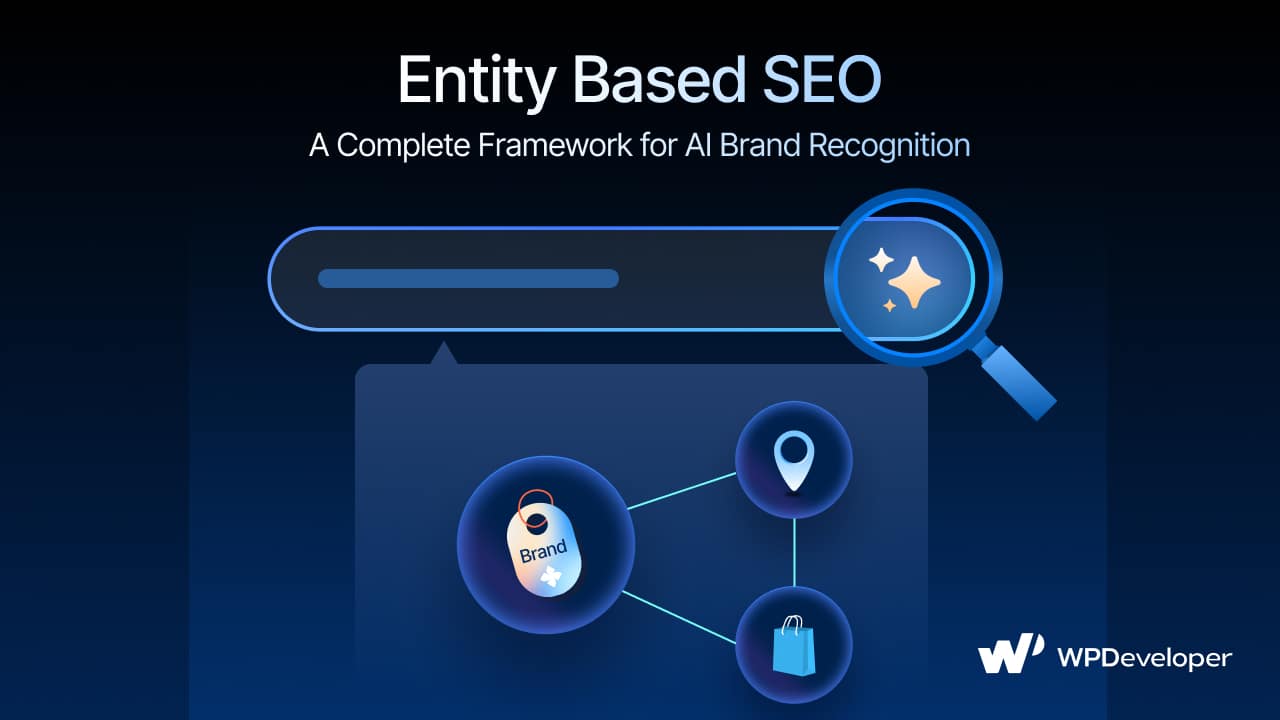
High-authority engines also look for clear authorship signals. In 2026, content that lacks a verifiable, expert human connection is often pushed to the bottom of the results. Algorithms can now distinguish between generic AI-generated filler and insights derived from actual experience in Las Vegas. This shift means that businesses must treat their digital presence as a library of expertise rather than a marketing flyer.
Semantic Search and Contextual Relevance
Semantic search has reached a level of sophistication where it understands the relationships between entities with near-human accuracy. If someone searches for help with Automotive Seo, the engine knows the difference between a beginner looking for a definition and a professional looking for a specific tool. Local Vehicle Search Marketing has shifted how technical teams measure performance, as they now focus on whether they are answering the right questions for the right audience.
This contextual relevance is heavily influenced by geography. In Las Vegas, search results are now tailored to the specific economic and social conditions of the region. A search performed in a high-density urban center will yield different results than one in a rural setting, even if the query is identical. The algorithm accounts for local availability, pricing trends, and even regional terminology, making it essential to ground content in its specific geographic context.
The Death of Traditional Keywords
The concept of a "target keyword" is largely obsolete in 2026. Modern search systems use vector embeddings to understand the "space" around a topic. Instead of repeating a phrase three times in an article, successful content covers the entire topical map. For instance, an article about Automotive Seo must also address the tools, regulations, and common failures associated with that task to be considered relevant.
Data shows increasing consumer reliance on Search Marketing for Auto Brands. This trend highlights a shift toward hyper-local, specific intent. If a business fails to address the specific nuances of their service area, they lose visibility to competitors who have mapped their content to the exact needs of the population. The focus has moved from "what is this" to "how does this work for me right now."
Verification and the Information Integrity Score
As synthetic content became more prevalent in the years leading up to 2026, search engines introduced "Information Integrity Scores." This metric evaluates the factual consistency of a website across the broader web. If a site provides conflicting data about Automotive Seo compared to established datasets, its visibility drops instantly. This has made the role of fact-checking and data verification more important than ever.
In Las Vegas, where competition for visibility is fierce, maintaining a high integrity score is the only way to ensure long-term stability in search results. The algorithm cross-references your claims with government databases, academic journals, and reputable news outlets. This interconnected web of verification means that a single piece of misinformation can degrade the authority of an entire domain.
Zero-Click Environments and User Retention

The search results page of 2026 is often a "zero-click" environment. The engine provides the answer, the pricing, and the booking options directly on the result page. While this might seem like a loss for website owners, it actually prioritizes quality. Users who do click through to a site are much further along in the decision-making process. They are no longer looking for general info—they are looking for the specific expertise that only a high-authority source can provide.
For those operating in Las Vegas, this means the website must be optimized for deep engagement rather than broad traffic. The focus is on keeping the visitor on the page by offering unique tools, interactive data, or exclusive insights that the search engine’s summary cannot replicate. The goal is to become the final destination for a user’s query.
Technical Infrastructure for the 2026 Search Era
Beyond content, the technical requirements for search have become more demanding. Site speed is no longer just a "good to have" feature. In 2026, the speed at which a page delivers its primary data points determines its inclusion in the predictive search cache. If a site takes too long to respond, the search engine will simply pull data from a faster competitor to fill its summarized answer.
This speed requirement is even more critical for mobile and wearable devices. As more people use augmented reality or voice interfaces to find Automotive Seo in Las Vegas, the ability to provide structured, easily digestible data is paramount. Sites that use schema markup and JSON-LD to clearly define their offerings are the ones that survive the transition from the screen to the interface-less search experience.
Future-Proofing through Semantic Depth
The evolution of search is moving toward a world where the search engine acts as a personal assistant rather than a directory. To stay visible, content must be more than just accurate—it must be indispensable. By building a high-authority engine that focuses on semantic depth and verifiable expertise, businesses can ensure they remain relevant regardless of how the underlying code of the algorithm changes.
As we move through 2026, the winners in the search game are those who treat information as a service. Whether it is providing Automotive Seo or helping a resident of Las Vegas find a solution, the objective remains the same: provide the most useful, authoritative answer possible. The algorithms have finally caught up to human intent, and the results are a more efficient, trustworthy, and helpful internet for everyone.

Table of Contents
- – The Rise of High-Authority Content Engines
- – Semantic Search and Contextual Relevance
- – The Death of Traditional Keywords
- – Verification and the Information Integrity Score
- – Zero-Click Environments and User Retention
- – Technical Infrastructure for the 2026 Search Era
- – Future-Proofing through Semantic Depth
Latest Posts
The Best Keyword Research Tools for Dominating SERPs
The Evolution of Content Search Engines
The Evolution of Search Intent and Entity Mapping in 2026
Latest Posts
The Best Keyword Research Tools for Dominating SERPs
The Evolution of Content Search Engines
The Evolution of Search Intent and Entity Mapping in 2026